

Colour Blending Tips with Prismacolor
Did you know the human eye can detect over 10 million colours? Wild, right?
Of course, most of us don’t own that many coloured pencils. But with a little blending know-how, you can create just about any hue you need – even with a limited set. Whether you’re shading skin tones, adding depth to a flower petal, or giving an apple some realistic sheen, blending is the key to unlocking beautiful, lifelike colour.
Why Blend?
- Create custom shades not available in your pencil set
- Add soft transitions between colours
- Mimic natural light and shadows
- Achieve realistic detail in your artwork
Everyday objects aren’t just one flat colour – they’re full of nuance. Mastering blending will help you capture all those subtle shifts and variations that make a piece pop.
Burnishing Basics
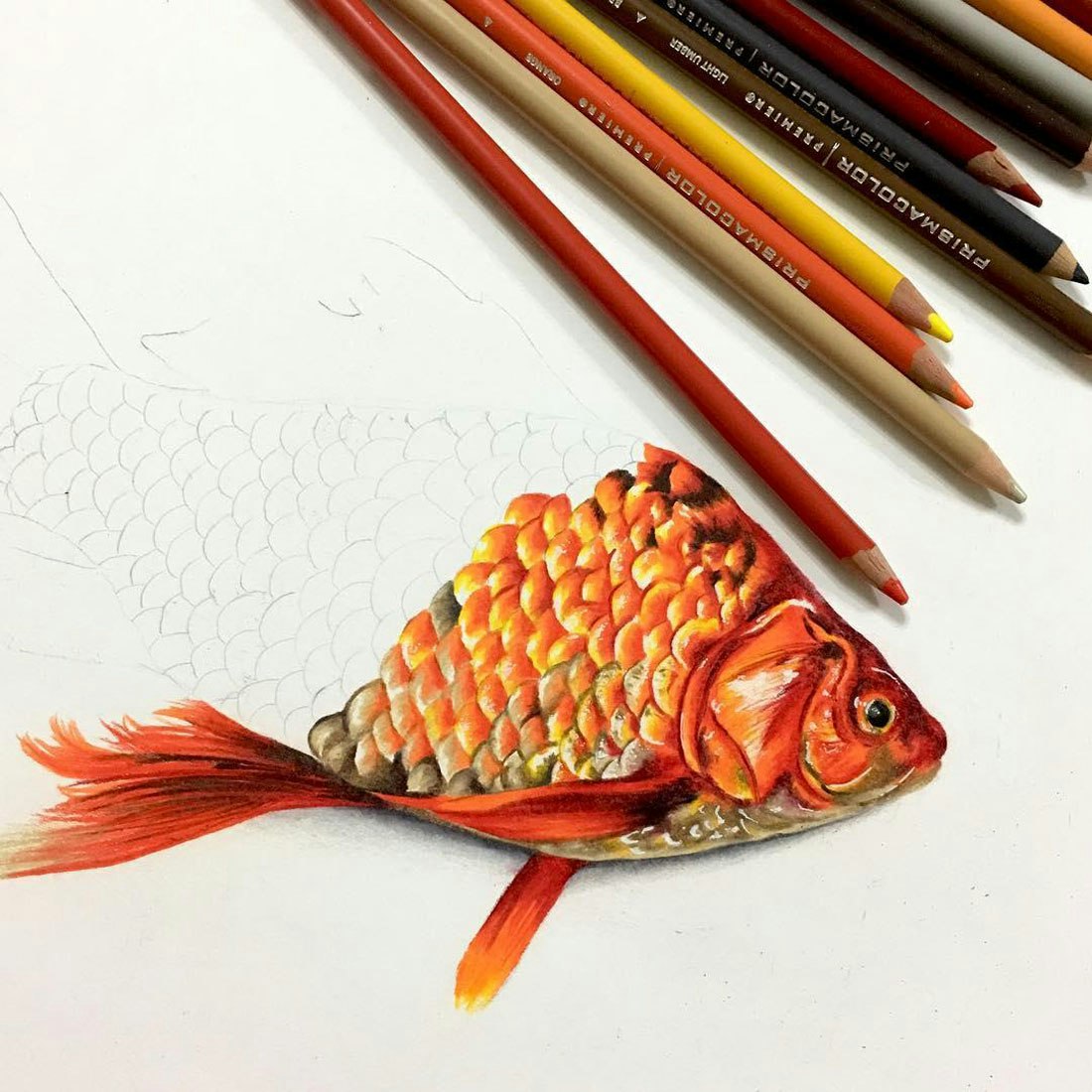
One of the most effective blending techniques is called burnishing. This involves layering colours on top of each other using firm pressure, often finishing with a lighter colour over a darker base.
- Start with your darker base tone
- Layer your mid-tones
- Finish with a light tone or blender pencil for smooth transitions
Hot tip: clean your lighter pencils before going over darker areas to avoid colour transfer or muddy blending.
Use a Blender Pencil (or a White One)
The Prismacolor Premier® Blender Pencil is a colourless tool designed to soften lines and blend transitions. If you don’t have one handy, a white pencil can give a similar result by lightening and fusing colour layers together. It’s also great for creating soft highlights.
DIY Blending with Solvents
No blender pencil? No problem! Try using a household solvent. Artists often use:
- Baby oil (applied with a cotton swab)
- A damp brush or water (sparingly and only on certain paper types)
These help break down the wax in the pencil to spread pigment more smoothly across the page.
Avoid the Smudge Struggle
Blending takes time – and patience. The last thing you want is a stray smudge messing up your work. To prevent this:
- Place a clean piece of paper under your drawing hand
- Work from top to bottom (or side to side) depending on your dominant hand
- Avoid touching completed areas directly
Keep Practising!
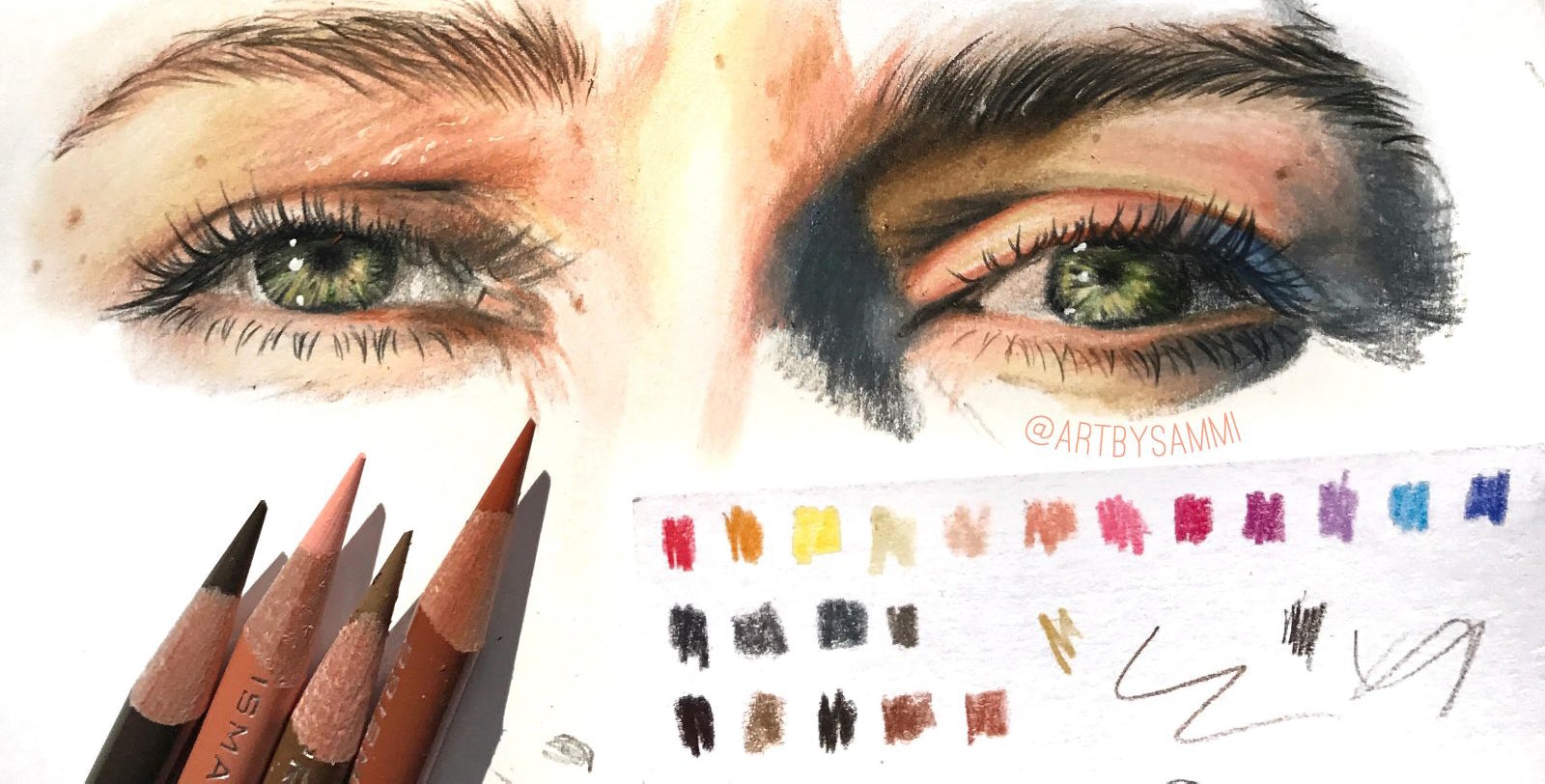
Blending can be a bit of an art in itself – and just like any skill, the more you practise, the better you’ll get. Try different colour combos, experiment with pressure, and don’t be afraid to make mistakes. With a set of Prismacolor Premier® Soft Core Pencils and a little time, your colours will soon be blending like a dream.
Tools used:
Prismacolor Premier® Soft Core Coloured Pencils
Prismacolor Premier® Blender Pencil