




Which Oil Painting Medium Do I Use? A Complete Beginner's Guide
Are you staring at your oil paints wondering which medium to choose? You're not alone. Many artists ask the same questions: "Which oil painting medium do I use for my project?" "How do I make oil paint flow better?" "What's the difference between turpentine and white spirit?" This comprehensive guide will answer all your questions about oil painting mediums and safe brush cleaning.
What Are Oil Painting Mediums and Why Do I Need Them?
Oil painting mediums are substances you mix with your paint to modify its properties. They can make paint flow better, dry faster or slower, become more transparent, or create specific textures. Think of them as your painting assistants, each with a special job to help you achieve your artistic vision.
How Do I Clean My Oil Painting Brushes Properly?
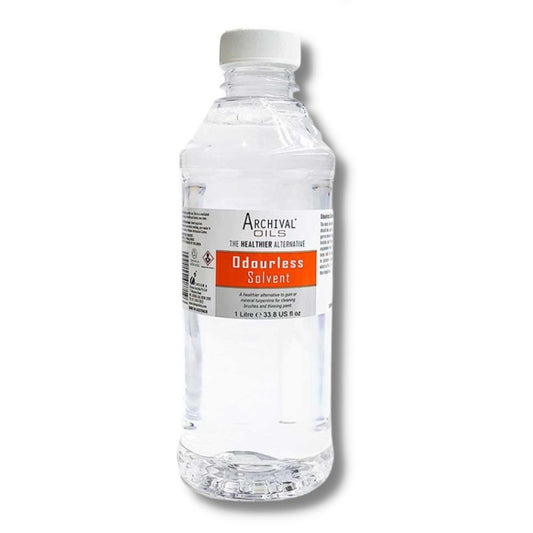
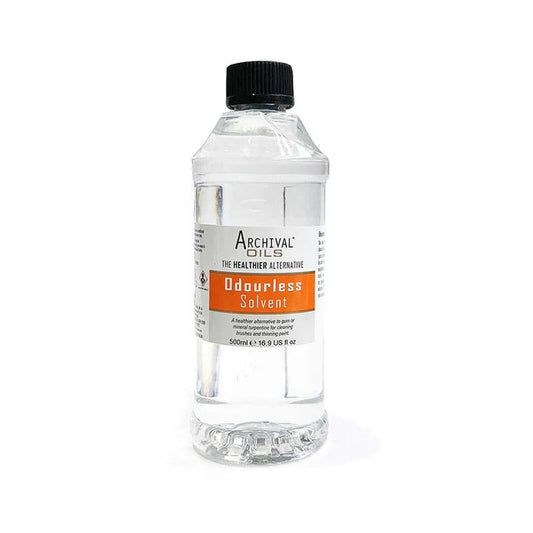
This is where solvents really shine. Both turpentine and white spirit are effective for removing paint from brushes and tools. White spirit is particularly good for this job because it's gentler on brush fibres and won't leave them brittle over time. Always clean your brushes thoroughly after each painting session to extend their life.
Which Oil Painting Medium Improves Paint Flow?
Why Should I Use Refined Linseed Oil?
Refined linseed oil is the traditional medium that's been used by master painters for centuries. It increases flow and transparency, making it perfect for glazing techniques and smooth colour transitions. When mixed with paint, it creates a beautiful, luminous quality that many artists love.
What Does Linseed Oil Do to My Painting?
Linseed oil not only improves flow but also increases the paint's transparency, allowing you to build up beautiful glazed layers. It does extend drying time, so plan your painting sessions accordingly.
How Can I Make My Oil Paint Dry Faster?
What's the Difference Between Alkyd Medium and Liquin?
Both alkyd medium and Liquin (which is actually a brand name for an alkyd medium) are designed to reduce drying time while maintaining paint quality. They're perfect when you're working on a deadline or want to build up layers more quickly.
How Much Faster Will My Paint Dry with Alkyd Medium?
Alkyd mediums can reduce drying time from days to hours, depending on the thickness of your paint application. They also improve flow, making them incredibly versatile additions to your medium collection.
What If I Want My Oil Paint to Dry Slower?
Which Oil Keeps Paint Wet Longer for Blending?
Stand Oil and Safflower Oil are your best options for extending working time. These oils keep paint wet longer, giving you more time for detailed blending work and smooth colour transitions.
When Should I Use Stand Oil vs Safflower Oil?
Stand oil (a processed linseed oil) creates a smooth, enamel-like finish and is excellent for detailed work. Safflower oil is particularly good for lighter colours as it's less likely to yellow over time compared to linseed oil.
How Do I Create Thick Texture in My Oil Paintings?
What's the Best Medium for Impasto Techniques?
Impasto medium is specifically designed for artists who love thick, sculptural brushstrokes. It creates paint consistency that holds its shape, allowing you to build up dramatic texture and dimension in your work.
Can I Mix Impasto Medium with Any Colour?
Yes! Impasto medium works beautifully with all oil paint colours and won't significantly affect the hue. It's perfect for palette knife work and expressive brushwork that needs to maintain its form.
Which Oil Painting Medium Should Beginners Start With?
If you're just starting out, here's what we recommend:
Essential starter mediums:
Begin with white spirit for cleaning brushes; it's safer and more pleasant to work with than turpentine. Add a small bottle of refined linseed oil for improving flow and transparency. Finally, consider alkyd medium if you want to speed up drying times.
How Do I Know Which Medium to Use for My Current Project?
Ask yourself these questions:
Do I need to work quickly? Choose alkyd medium to speed drying.
Do I want smooth blending? Use stand oil or safflower oil to extend working time.
Am I creating glazes? Mix refined linseed oil with your paint.
Do I want thick, textured brushstrokes? Impasto medium is your answer.
Do I need to clean my brushes? Use white spirit or turpentine as a solvent.
What Are the Most Common Mistakes with Oil Painting Mediums?
Many beginners use too much medium, which can compromise the paint's structure. Start with small amounts; you can always add more. Also, avoid mixing too many different mediums together, as this can create unpredictable results.
How Should I Store My Oil Painting Mediums?
Keep all mediums in tightly sealed containers away from heat and direct sunlight. Proper storage ensures they maintain their effectiveness and don't deteriorate over time.
Where Can I Buy Quality Oil Painting Mediums?
Quality matters when it comes to mediums. Cheap alternatives can affect your paint's performance and longevity. Look for reputable art supply stores that stock professional-grade mediums from established manufacturers.
Conclusion: Which Oil Painting Medium Will Transform Your Art?
Understanding which oil painting medium to use for different techniques will dramatically improve your artwork. Whether you're asking "How do I make oil paint flow better?" or "What's the best way to create texture?", there's a specific medium designed to help you achieve your goals.
Remember, experimentation is key. Try different mediums with small amounts of paint first to see how they affect your particular painting style. With practice, you'll develop an intuitive understanding of which medium to reach for in any situation.
Ready to explore oil painting mediums? Visit your local art supply specialist to see these mediums firsthand and get personalised advice for your specific painting needs.