






Which Acrylic Painting Medium Should You Use?
Choosing the right acrylic painting medium can completely transform your artwork, but with so many options available, it's easy to feel overwhelmed. Whether you're looking to create stunning textures, achieve smooth colour transitions, or control drying times, there's a specific medium designed to help you achieve your artistic vision. Let's explore the essential acrylic mediums every artist should know about.
Understanding Acrylic Painting Mediums
Acrylic painting mediums are additives that modify the properties of your paint without significantly altering the colour. They're the secret weapons that professional artists use to achieve specific effects, textures, and finishes that simply aren't possible with paint alone.
Mediums for Creating Texture
Modelling Paste
When you want to add serious dimension to your work, modelling paste is your go-to medium. This thick, sculptural medium allows artists to create raised patterns, sculpted forms, and intricate detailed designs directly on the canvas. It's perfect for impasto techniques and three-dimensional elements that make your paintings come alive.
Gel Medium
Gel medium is incredibly versatile for texture work. Available in various consistencies from light to extra heavy, it maintains the paint's body while adding transparency and extending working time. Heavy gel mediums are excellent for creating thick brush strokes and building up textural areas.
Mediums for Paint Flow and Application
Flow Medium
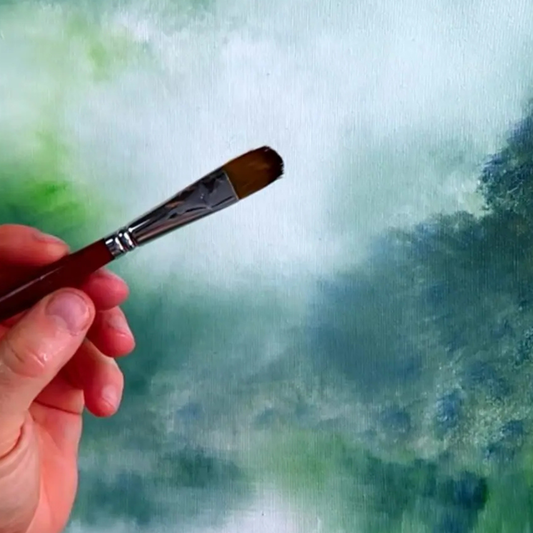
For artists who love smooth, flowing brushwork, flow medium is essential. This additive reduces the paint's viscosity without thinning it excessively, making it ideal for detailed work, long brush strokes, and techniques requiring consistent paint flow. It's particularly useful for watercolour-like effects with acrylics.
Mediums for Transparency Effects
Glazing Medium
Glazing medium creates beautiful transparent colour layers that allow underlying colours to show through. This medium is perfect for building up depth, creating atmospheric effects, and achieving luminous colour combinations. It extends drying time slightly, giving you more control over your glazing technique.
Mediums for Controlling Finish
Gloss Medium
Gloss medium creates a shiny, wet-look finish that intensifies colours and adds vibrancy to your paintings. It's excellent for areas where you want maximum colour saturation and a reflective surface.
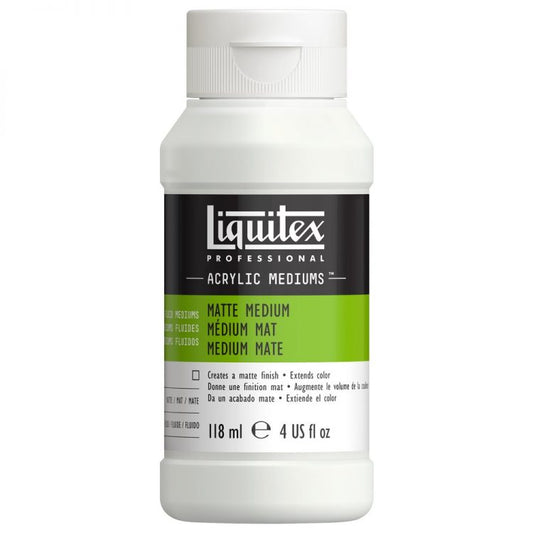
Matte Medium
Matte medium produces a flat, non-reflective finish that reduces glare and creates a more subdued appearance. It's perfect for areas where you want to minimise shine and create a more traditional, classic look.
Mediums for Controlling Drying Time
Retarder Medium
One of the challenges with acrylics is their fast drying time. Retarder medium slows down the drying process, giving you more time to blend colours, work wet-into-wet techniques, and make adjustments. This is particularly valuable for portrait work and colour blending techniques.
Choosing the Right Medium for Your Project
The key to selecting the perfect medium lies in understanding your artistic goals:
For beginners: Start with flow medium and retarder medium to get comfortable with how mediums affect paint behaviour.
For texture enthusiasts: Experiment with modelling paste and heavy gel mediums to create dynamic surface interest.
For realistic painters: Glazing medium and retarder medium will help you achieve smooth transitions and luminous effects.
For abstract artists: All mediums offer creative possibilities, particularly gel mediums for texture and flow medium for gestural work.
Tips for Using Acrylic Mediums Successfully
Always mix mediums thoroughly with your paint before application. Start with small amounts; you can always add more, but it's difficult to remove excess medium once mixed. Test combinations on a spare canvas first to understand how different mediums interact with your specific paint brands.
Remember that most mediums will extend your paint's working time, so plan your painting sessions accordingly. Quality mediums from reputable manufacturers will give you the most predictable and professional results.
Conclusion
Mastering acrylic painting mediums opens up endless creative possibilities. Whether you're aiming for smooth, flowing washes or dramatic textural effects, there's a medium designed to help you achieve your vision. The key is experimentation; try different combinations and discover what works best for your unique artistic style.
Ready to explore the world of acrylic mediums? Visit your local art supply store to see these mediums in person and get expert advice on which ones will work best for your next project.