
Make Art, Not Waste: Your Sustainable Art Supply Guide
Mont Marte's Guide to Sustainable Art Practices.
As artists, we have a wonderful opportunity to create beauty whilst caring for our environment. At Art Shed Brisbane, we believe that responsible art-making doesn't mean compromising on creativity; it simply means being thoughtful about our materials and methods. Here's your comprehensive guide to sustainable art practices that will help protect our beautiful Australian environment whilst keeping your artistic journey flowing smoothly.
The following information and expert tips are provided by Mont Marte, a trusted leader in art supplies and sustainable art practices.
Safe Disposal of Acrylic Paints

Acrylic paints are water-based, but they shouldn't go down your drain. The plastic polymers in dried acrylic can clog waterways and harm aquatic life. Here's how to handle them properly:
Drying Method: Allow excess paint to dry completely in your palette or container. Once dry, the paint will peel away easily, especially from glass or ceramic surfaces. You can then dispose of these dried pieces in your regular household bin.
Brush Cleaning: Before washing brushes, remove as much paint as possible with a cloth or paper towel. Use a dedicated container for rinsing rather than running water straight down the sink. Let this rinse water evaporate in the sun, then scrape out the dried paint residue for bin disposal.
Water Management: Keep a jar specifically for brush cleaning water. When it becomes too murky, set it aside to evaporate rather than pouring it down the drain. This simple step prevents paint particles from entering our water systems.
Managing Glitter and Microplastics

Traditional craft glitter is made from microplastics, which can cause significant environmental damage when they reach our waterways and oceans. Here's how to handle it responsibly:
Collect any loose glitter using tape or a damp cloth before it spreads. Place all glitter waste in a sealed bag before putting it in your regular bin. This prevents the tiny particles from escaping during waste collection.
Consider switching to biodegradable alternatives like mica-based glitters or making your own from natural materials like crushed eggshells or salt crystals.
Reviving Air-Dry Clay
Before you throw away hardened clay, try this revival technique:
Break the clay into small pieces and place them in a sealed plastic bag with a small amount of water. Leave for 24-48 hours in a cool spot. The clay should soften enough to knead back into a workable consistency.
If the clay is beyond saving, let it dry completely before disposing of it in your regular bin. Dried clay is essentially fired ceramic material and won't break down in landfill, but it's inert and safe for standard waste disposal.
Pencil Disposal Guidelines

Whilst pencils contain wood, they're not suitable for recycling due to the various treatments and materials involved in their manufacture. The graphite core, metal ferrule, and treated wood components make them complex to separate for recycling facilities.
Simply dispose of old pencils in your regular household bin. If you're concerned about waste, consider buying higher-quality pencils that last longer, or look for pencils made from recycled materials.
Oil Paint and Solvent Management
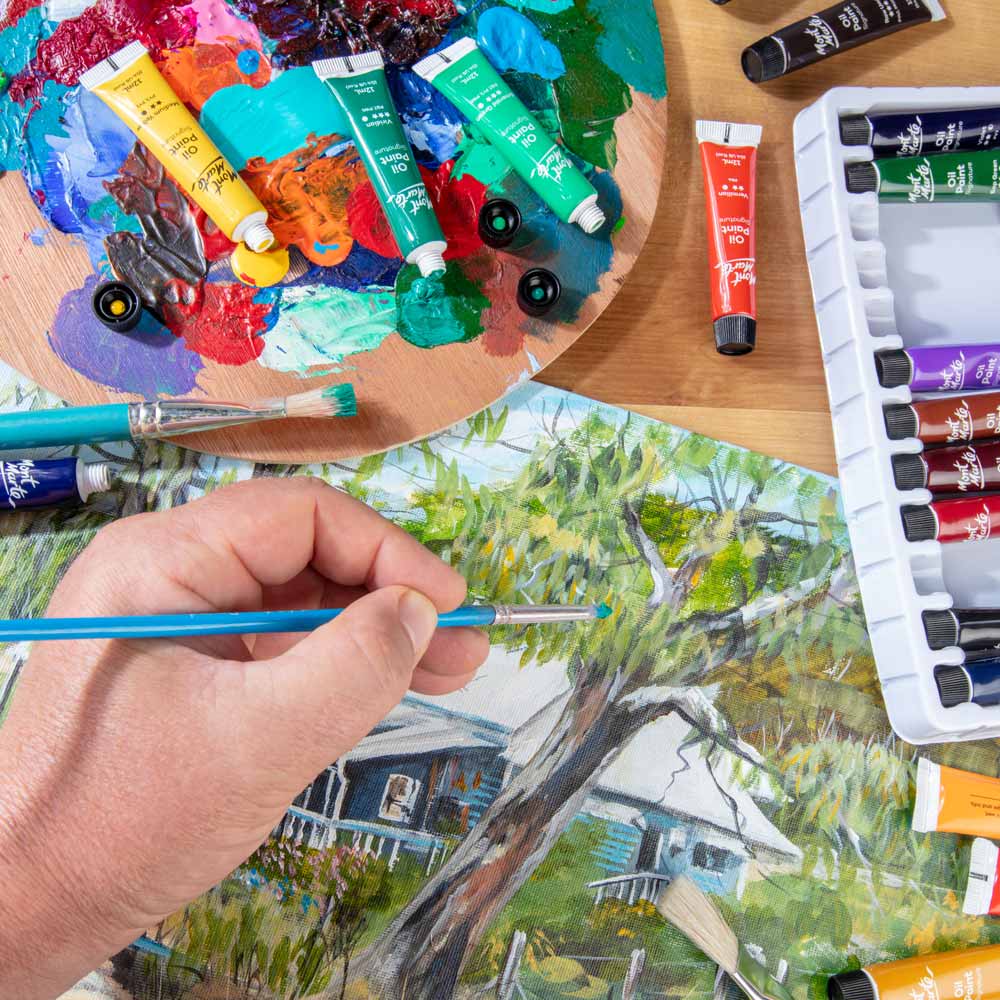
Oil paints and their solvents require special handling due to their chemical composition:
Paint Disposal: Clean excess paint from brushes and palettes with newspaper or rags. Allow these materials to dry completely before disposing of them in regular waste.
Solvent Reuse: Used solvents can be reclaimed by letting them settle for 24 hours. The paint particles will sink to the bottom, allowing you to carefully pour the clean solvent back into your container for reuse.
Hazardous Waste: Paint sediment and contaminated solvents should be taken to your local council's hazardous waste collection point. Never pour these materials down drains or into soil.
Reducing Waste in Your Creative Practice
Planning Your Projects: Calculate your material needs before starting. It's better to mix small amounts of paint and add more as needed rather than having large quantities left over.
Embracing Scraps: Keep a box for paper offcuts, fabric remnants, and other materials. These often become perfect elements for mixed media projects, collages, or testing new techniques.
Zero-Waste Challenges: Set yourself creative challenges to work exclusively with materials you already have. This not only reduces waste but often leads to innovative techniques and unexpected artistic discoveries.
Sharing Resources: Consider organizing material swaps with other artists or joining community art groups where supplies can be shared and exchanged.
Making Sustainable Choices
When purchasing new supplies, look for:
- Paints with minimal packaging
- Refillable containers
- Locally-made products to reduce transport emissions
- Materials with recycled content
- Non-toxic formulations
Your Role in Environmental Stewardship
Every small action contributes to a larger impact. By adopting these sustainable practices, you're not only protecting the environment but also setting an example for other artists in your community.
Remember, sustainable art isn't about limiting your creativity; it's about channeling that creativity into responsible practices that ensure future generations can enjoy both art-making and a healthy environment.
At Art Shed Brisbane, we're committed to supporting your sustainable art journey. Visit us in-store to discuss eco-friendly alternatives for your projects, or explore our range of sustainable art supplies that help you create responsibly.
Have questions about sustainable art practices? Drop by our store or contact us online; we're always happy to help fellow artists create beautiful work whilst caring for our planet.
All information and expert advice in this article is courtesy of Mont Marte. We thank Mont Marte for their commitment to sustainable art practices and for sharing their expertise with the art community.