





Best Artist Palettes: Your Complete Guide to Choosing the Right Palette
The right palette makes all the difference to your painting experience. Whether you're working with oils, acrylics, or watercolours, your mixing surface affects everything from colour accuracy to working time. Here's your guide to finding the perfect palette for your artistic needs.
Timber Palettes

Best for: Oil painting
Traditional timber palettes offer durability and comfortable grip for extended painting sessions. They're the classic choice for oil painters, though they may absorb paint over time and can be heavy for travel.
Pro tip: Season your palette with linseed oil before use to seal it and prevent paint absorption.
Glass Palettes

Best for: Oils and acrylics
Glass palettes provide the smoothest mixing surface and exceptional colour accuracy. They're incredibly easy to clean and non-porous, keeping colours true. Best suited for tabletop painting due to their weight.
Pro tip: Use a sharp razor blade to scrape off dried paint for effortless cleaning.
Plastic Palettes

Best for: Watercolours and acrylics
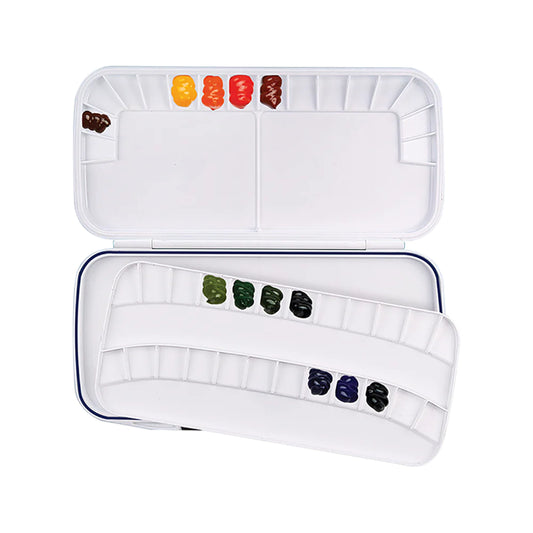
Lightweight and portable, plastic palettes are perfect for plein air painting and water-based mediums. They're easy to clean and comfortable for handheld use, though some artists prefer more substantial weight.
Pro tip: Paint over stained areas with white paint and seal for a fresh mixing surface.
Ceramic Palettes

Best for: All mediums
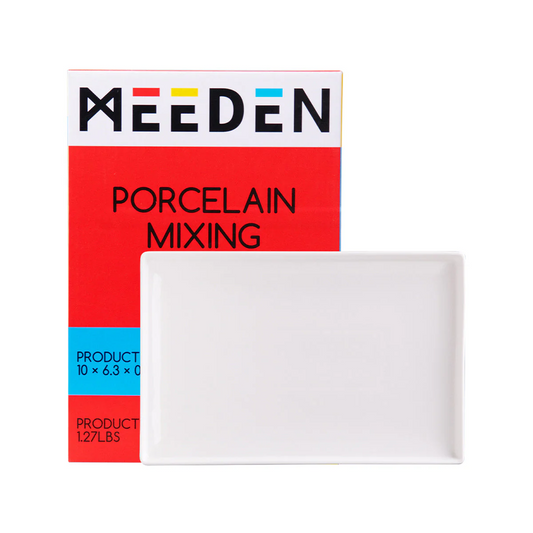
Ceramic palettes offer an exceptionally smooth surface and their cool temperature slows paint drying time. Perfect for detailed colour work, though they require careful handling due to breakability.
Pro tip: Soak in warm soapy water for 30 minutes to easily remove dried paint.
Stay-Wet Palettes

Best for: Acrylics, watercolours, gouache
Revolutionary for acrylic painters, stay-wet palettes extend paint working time from hours to days, dramatically reducing waste. The moisture system keeps paints workable for extended sessions.
Pro tip: Cover your palette regularly (even for short breaks) to maintain optimal moisture levels.
Disposable Paper Palettes

Best for: Acrylics and oils
Ultimate convenience with zero cleanup; simply tear off used sheets. Perfect for workshops, travel, or quick sessions, though they're less suitable for palette knife work.
Pro tip: Try different colours (grey or timber-toned) to find what works best with your colour schemes.
Acrylic (Plexiglass) Palettes

Best for: Acrylics
Combining easy cleaning with smooth mixing, acrylic palettes offer transparency for excellent colour assessment. They may scratch over time with palette knife use but remain highly functional.
Pro tip: Keep paint around the edges and leave the centre clear for optimal blending space.
Quick Selection Guide
For oil painters: Timber or glass palettes provide the best surface and durability.
For acrylic artists: Stay-wet palettes revolutionise your painting process by extending working time.
For watercolour work: Plastic or ceramic palettes offer the right surface for water-based techniques.
For travel painting: Lightweight plastic or disposable palettes are most practical.
For maximum convenience: Paper palettes eliminate cleanup entirely.
Your perfect palette depends on your medium, painting style, and workspace. Visit Art Shed Brisbane to experience different palette materials firsthand and find your ideal painting companion.