How to Master Wet-on-Wet with a Mop Brush
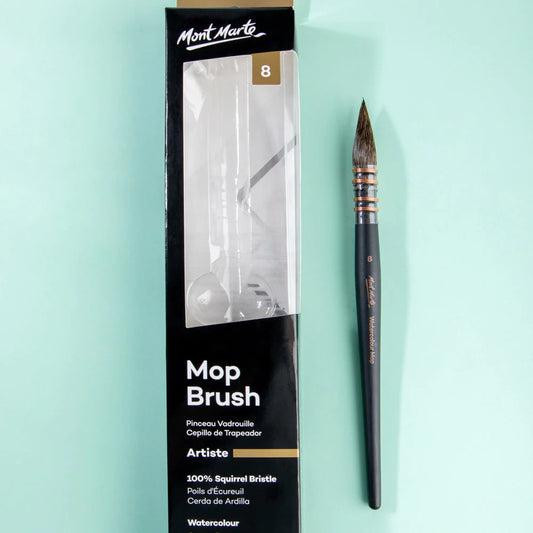
Looking to create dreamy, flowing watercolour effects? A mop brush is your best mate when it comes to mastering the wet-on-wet technique. Its soft, rounded bristles are ideal for laying down big, even washes – no streaks or hard edges in sight.
Here’s how to make the most of it:
- Start by loading your mop brush with plenty of water and a diluted mix of your chosen watercolour.
- Work onto damp or wet paper; that’s where the real magic happens. The wetter the surface, the more the paint will bloom and blend.
- Use broad, gentle strokes to spread the colour. Mop brushes hold a lot of water, so take advantage of their sweeping coverage.
- Aim for soft, seamless transitions – this technique is all about fluid movement and letting the water do the work.
- Try layering and blending colours while the paper is still wet for stunning effects.
- Experiment with paper types – different textures will give you different results, so have fun testing what works for your style.
With a bit of practice, you’ll be creating glowing skies, fluid gradients, and moody backgrounds in no time. Wet-on-wet is a wonderful technique to explore, and the mop brush makes it easy to get started.