










The Complete Guide to Paint Brush Shapes: Choosing the Right Brush for Your Art Project
Understanding the different shapes of paint brushes is crucial for any artist looking to improve their technique and achieve professional results. Each brush shape serves a specific purpose, and knowing when to use each one can transform your artwork from ordinary to extraordinary.
Why Paint Brush Shape Matters
The shape of your paint brush determines the type of stroke you'll create, the coverage area, and the level of detail you can achieve. Whether you're working with watercolours, acrylics, or oils, selecting the right brush shape is essential for bringing your artistic vision to life.
10 Essential Paint Brush Shapes Every Artist Should Know
1. Flat Brush: The Versatile Foundation
The flat brush features a straight, rectangular edge that makes it incredibly versatile for various painting techniques. Its design allows artists to create both thin and broad brushstrokes with simple adjustments in pressure and angle.
Best Uses:
- Wide strokes and high coverage areas
- Creating straight lines and sharp edges
- Large washes and background work
- Smooth, flowing brushstrokes
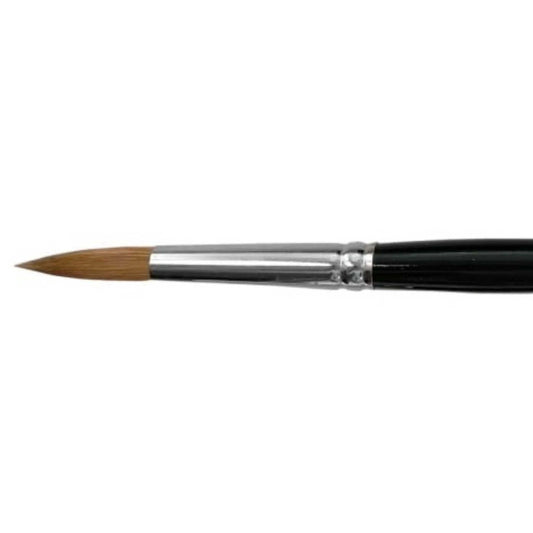
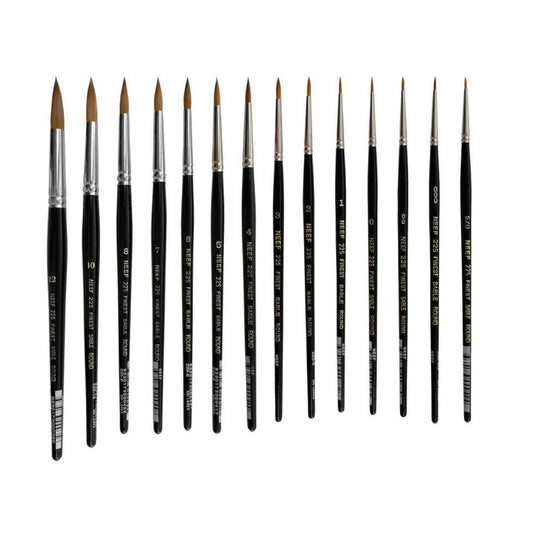
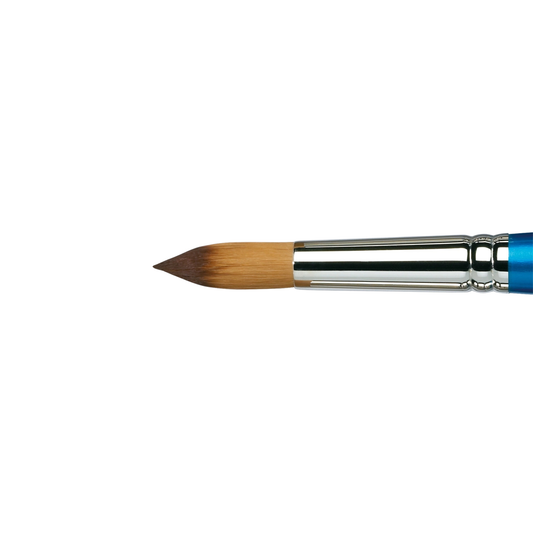
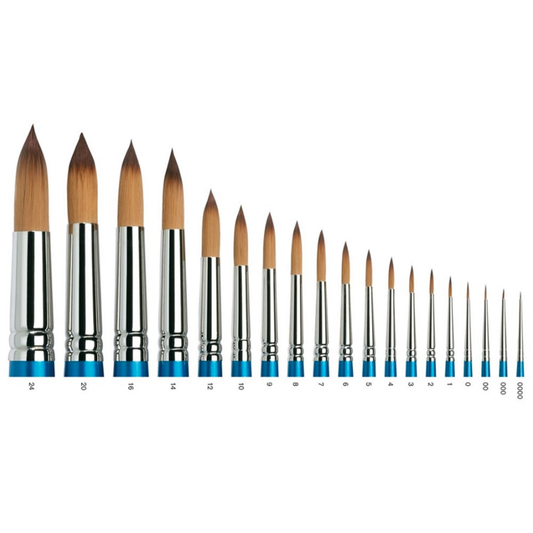
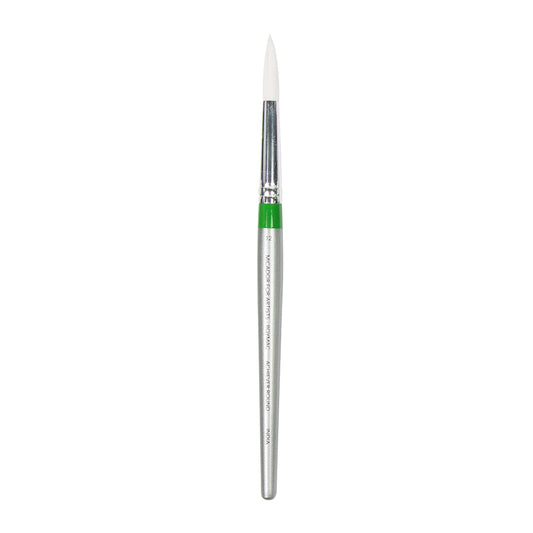
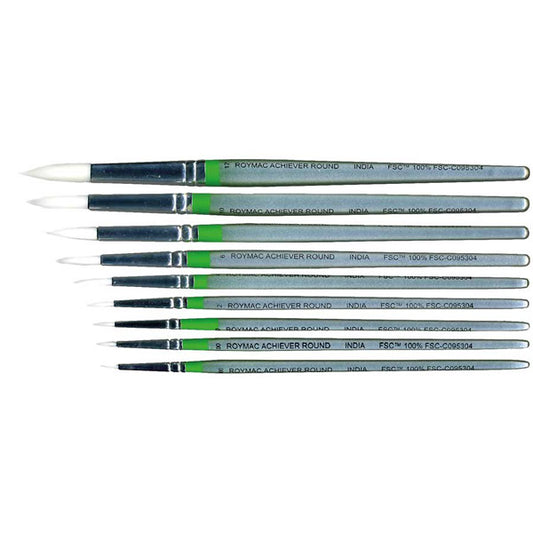
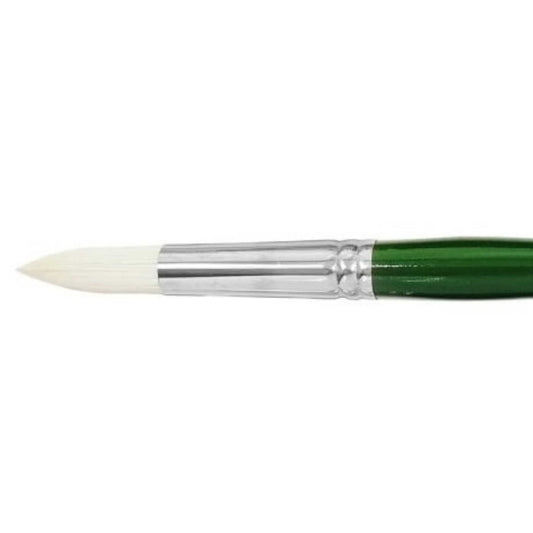
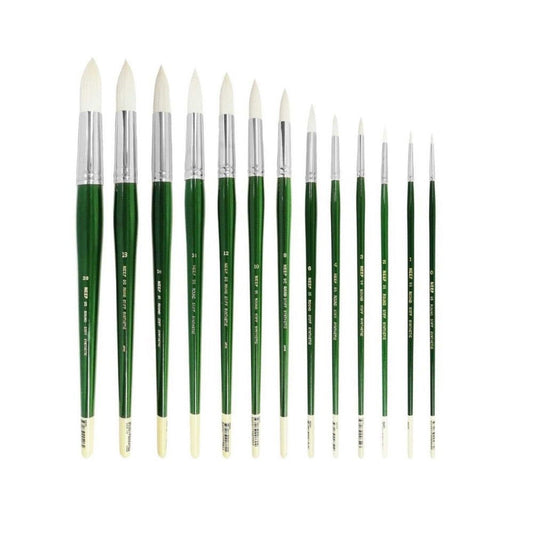
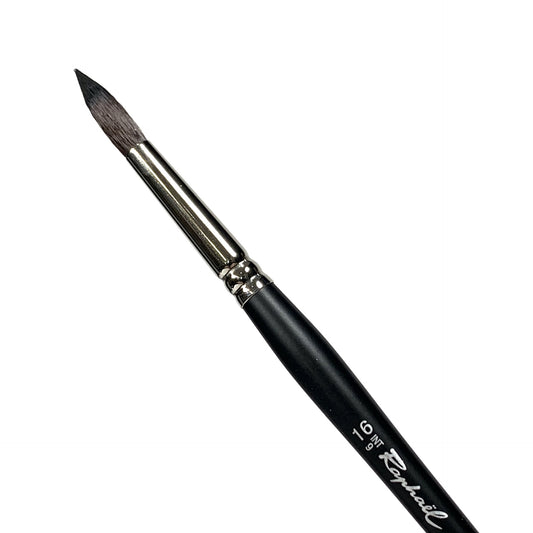
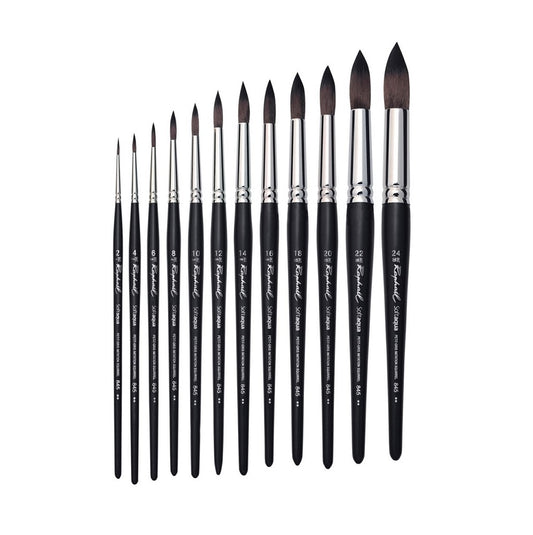
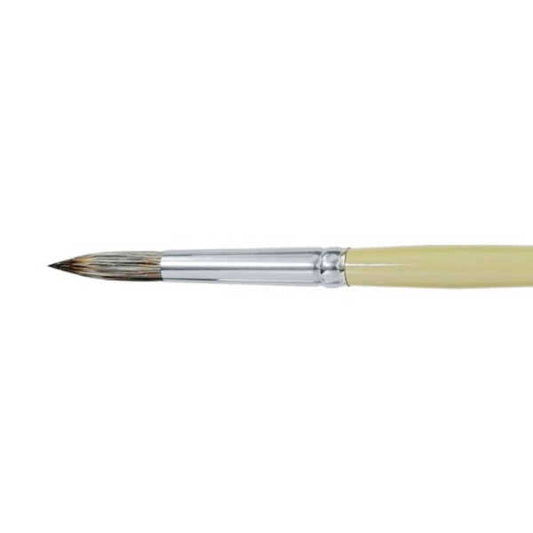
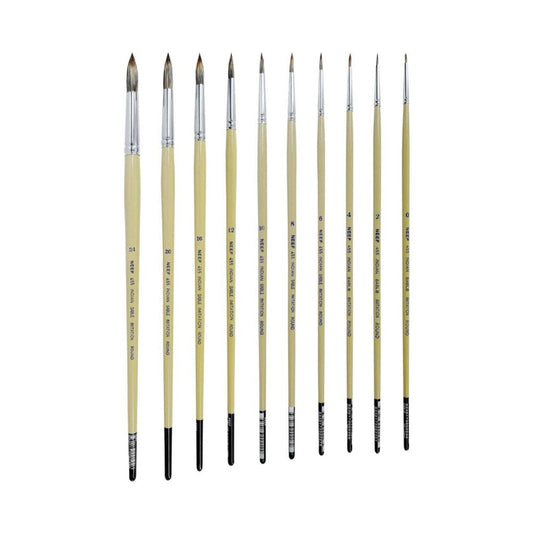
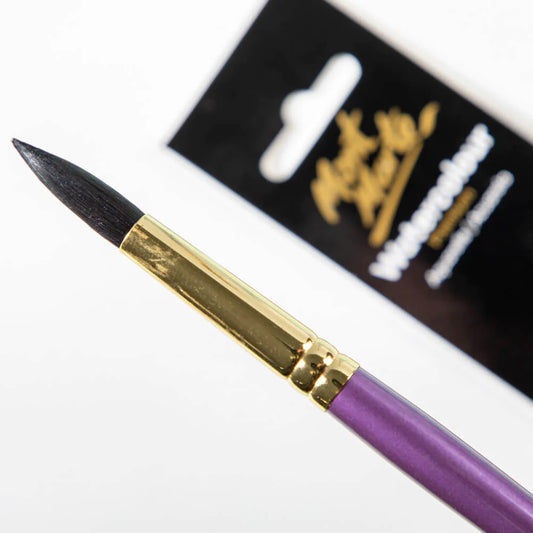
2. Round Brush: The Traditional Choice
Perhaps the most recognised brush shape, the round brush features a pointed tip that tapers from a fuller belly. Available in both sharp and blunt point variations, this classic design has been favoured by artists for centuries.
Best Uses:
- Fine detail work and precision painting
- Varied line weights in a single stroke
- Traditional painting techniques
- General-purpose painting tasks
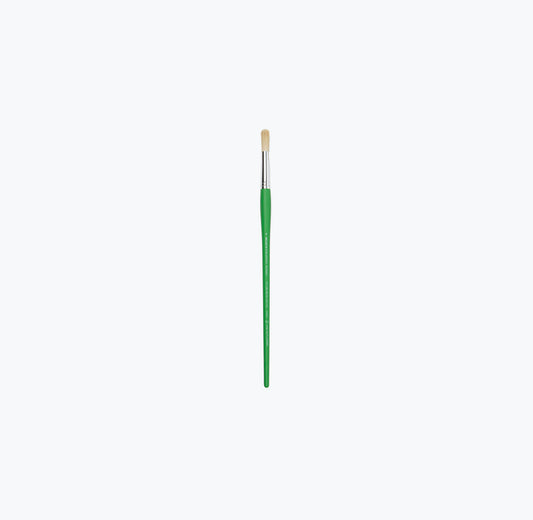
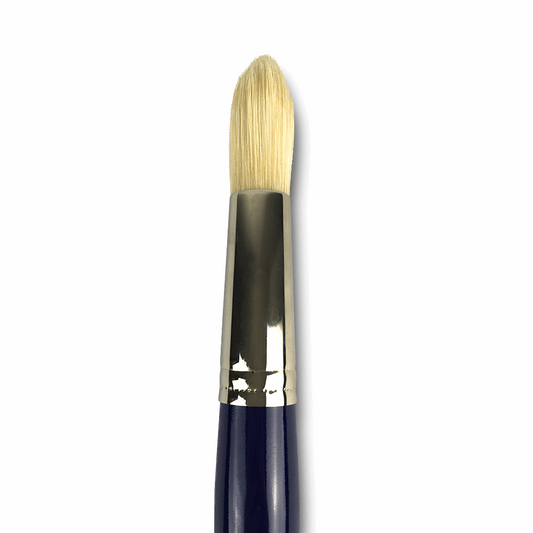
3. Filbert Brush: The Perfect Blend
Combining the best features of flat and round brushes, the filbert offers a flat tip with rounded edges and longer bristles. This unique design makes it particularly popular among figurative painters.
Best Uses:
- Curved lines and organic shapes
- Colour blending and soft transitions
- Figurative and portrait painting
- Creating expressive, minimal brush marks
4. Bright Brush: The Bold Statement Maker
Also known as a 'short flat', the bright brush features shorter bristles than a standard flat brush. This design provides increased surface resistance, making it perfect for applying bold, confident strokes.
Best Uses:
- Short, strong colour applications
- Hard-edged textures and details
- Impasto techniques
- Creating bold, graphic elements
5. Fan Brush: The Texture Creator
Originally developed for oil painting, the fan brush's spread-out bristles create unique textural effects that are difficult to achieve with other brush shapes.
Best Uses:
- Blending and softening harsh edges
- Creating texture (grass, foliage, clouds)
- Special effects and atmospheric elements
- Unique mark-making techniques
6. Angled Brush: The Precision Tool
Featuring a slanted edge, the angled brush offers exceptional versatility and control. Its triangular shape allows for quick transitions between different line weights.
Best Uses:
- Corner work and tight spaces
- Diagonal lines and geometric shapes
- Landscape painting techniques
- Controlled, precise brushwork
7. Dagger Brush: The Expressive Artist
Characterised by long, tapered bristles that come to a sharp point, the dagger brush combines the filbert shape with angled bristles for maximum expressiveness.
Best Uses:
- Teardrop and organic shapes
- Botanical and natural forms
- Capturing movement and flow
- Expressive, gestural painting
8. Mop Brush: The Soft Touch
With its large, round tip and soft bristles, the mop brush excels at creating gentle, blended effects. It's particularly popular in watercolour painting.
Best Uses:
- Large area washes
- Glazing techniques
- Soft, atmospheric effects
- Watercolour applications
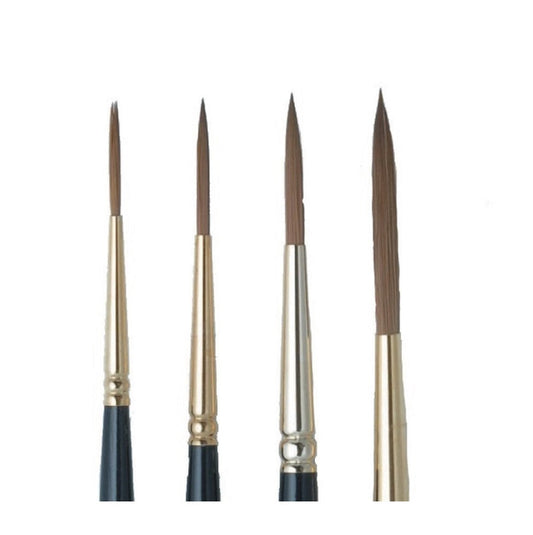
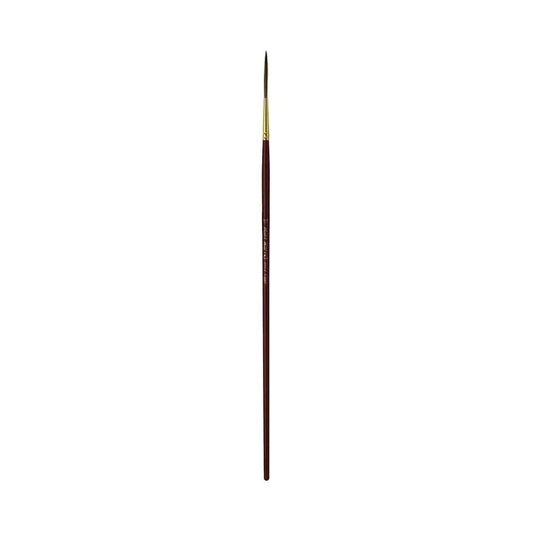
9. Liner Brush: The Detail Master
Featuring long, thin bristles that come to an extremely fine point, the liner brush is essential for intricate work and fine details.
Best Uses:
- Delicate lines and fine details
- Lettering and calligraphy
- Dynamic, flowing strokes
- Signature work and finishing touches
10. Mottler Brush: The Coverage Champion
This large, wide brush with soft, flat bristles resembles a decorator's brush and excels at covering large areas efficiently.
Best Uses:
- Surface preparation and priming
- Large colour laydowns
- Varnishing applications
- Background preparation work
Choosing the Right Brush for Your Project
When selecting paint brushes for your next artwork, consider these factors:
- Project size: Larger works benefit from bigger brushes for efficiency
- Detail level: Intricate work requires smaller, more precise brush shapes
- Medium type: Different paints work better with specific brush materials
- Technique: Your painting style will influence your brush choice
Quality Matters: Investing in Professional Brushes
At Art Shed Brisbane, we understand that quality brushes make a significant difference in your artistic results. Professional-grade brushes maintain their shape longer, provide better paint control, and ultimately save money through their durability.
Caring for Your Paint Brushes
Proper brush care extends their lifespan and maintains their performance:
- Clean brushes immediately after use
- Store brushes with bristles facing up
- Reshape brush tips while damp
- Use appropriate cleaning solutions for your medium
Understanding paint brush shapes is fundamental to developing your artistic skills. Each brush type offers unique capabilities that can enhance your creative expression. Whether you're a beginner exploring different techniques or an experienced artist refining your craft, having the right brushes in your toolkit is essential.
Visit Art Shed Brisbane to explore our extensive range of professional paint brushes and discover the difference quality tools can make in your artistic journey. Our knowledgeable team is always ready to help you select the perfect brushes for your specific needs and artistic goals.